
Fashion Brands Must Create Shoes for Disabled People
An Open Letter to Nike, Jordan, Adidas, Converse, Vans, Puma, and All Top Shoe Brands
Dear Fashion Industry Leaders,
You've mastered the art of creating shoes for athletes, celebrities, and streetwear enthusiasts. You've collaborated with rappers, basketball stars, and fashion icons. But what about disabled people? 👟♿
The disabled community represents 1.3 billion people globally—that's 16% of the world's population (WHO). Yet, finding stylish, functional footwear remains a daily struggle for millions like Mary and Lydia in Kenya.
It's time to change that. And we have a proposal.
🦶 The Problem: Fashion Forgot Disabled People
The Current Reality
When Mary needs shoes, she faces:
- ❌ Standard shoes don't fit orthopedic braces
- ❌ Laces are impossible to tie with limited hand mobility
- ❌ No ankle support for weak legs
- ❌ Ugly medical shoes that scream "disabled"
- ❌ Expensive custom shoes ($200-$600) she can't afford
When Lydia looks at fashion magazines, she sees:
- ✨ Beautiful Nikes, Jordans, Air Force 1s
- ✨ Trendy Adidas, Vans, Converse
- ✨ Stylish Pumas, New Balance, Reeboks
But none of them work for her body.
The Fashion Industry's Blind Spot
Fashion brands spend billions on:
- 💰 Celebrity endorsements (Michael Jordan, Kanye West, Rihanna)
- 💰 Limited edition drops
- 💰 Sneaker culture marketing
- 💰 Athlete sponsorships
But disabled people? An afterthought. Maybe a token "accessible" line buried deep in the catalog, designed by non-disabled people who've never lived the reality.
👟 What Disabled People Actually Need
Functional Features
Disability-inclusive shoes must have:
✅ Easy Entry/Exit
- Magnetic closures (no laces!)
- Wide openings for braces/casts
- Velcro straps (adjustable, simple)
- Zipper sides (quick access)
✅ Orthopedic Support
- Reinforced ankle support
- Custom insole compatibility
- Extra depth for braces
- Non-slip soles (wheelchairs, crutches)
✅ Adaptive Sizing
- Asymmetric sizing (left ≠ right foot often)
- Swelling accommodation
- Brace-friendly width
- Lightweight materials (less fatigue)
✅ Durability
- Wheelchair footrests wear shoes fast
- Crutch users drag feet
- Need reinforced toes/heels
- Long-lasting materials
Fashion Features (YES, Disabled People Want Style Too!)
✅ Beautiful Designs
- NOT "medical-looking"
- Trendy colors and patterns
- Streetwear-ready aesthetics
- Logo branding (we want the Swoosh too!)
✅ Representation
- Disabled models in ads
- Real disabled ambassadors (not actors)
- Authentic storytelling
- Community co-design
🌟 The Business Case: Why Brands Should Care
The Disability Market Is HUGE
1.3 billion disabled people worldwide = $13 trillion in disposable income (Return on Disability Group, 2020)
In the USA alone:
- 61 million disabled adults
- $490 billion annual spending power
- Growing market (aging population = more disabilities)
Currently underserved = massive opportunity.
Brand Reputation & ESG
Modern consumers (especially Gen Z) demand:
- ✅ Inclusive brands
- ✅ Social responsibility
- ✅ Authentic representation
- ✅ Accessible products
Disability inclusion = Good PR + Loyal customers + Positive press
Innovation Drives Mainstream Adoption
Remember curb cuts? Designed for wheelchairs, now used by:
- Parents with strollers
- Delivery drivers with carts
- Travelers with luggage
- Cyclists
Adaptive shoes will be the same:
- Elderly people with arthritis (laces hurt!)
- Pregnant women with swollen feet
- Athletes recovering from injuries
- Anyone who values convenience
Inclusive design benefits EVERYONE.
🤝 The AbleHearts Partnership Proposal
Why Mary & Lydia Are Perfect Brand Ambassadors
Nike, Jordan, Adidas—you've partnered with celebrities who've never faced the struggles your disabled customers face daily.
Mary and Lydia are different.
Mary (48 years old, Kenya)
- ✅ Authentic Story: Disabled since childhood, uses worn orthopedic shoes held together by repairs
- ✅ Resilient Spirit: Survived poverty, exploitation, and neglect—still fights for dignity
- ✅ Real Need: Can't afford $200+ adaptive shoes, but deserves style and comfort
- ✅ Community Voice: Represents millions of disabled women in Africa
Lydia (28 years old, Kenya)
- ✅ Young & Fashionable: Wants to wear Nikes and Jordans like her peers
- ✅ Progressive Disability: Understands changing mobility needs
- ✅ Digital Native: Active on social media, can authentically promote products
- ✅ Inspiring Story: Photographic memory, dreams of education—just needs the right tools
What the Partnership Looks Like
Phase 1: Co-Design Process
- Nike/Jordan/Adidas design team meets Mary & Lydia (virtual or in-person)
- They share real pain points, needs, preferences
- Collaborative prototyping (not "designing FOR" but "designing WITH")
- Community feedback loops (test with other disabled people)
Phase 2: Product Launch
- Limited Edition "AbleHearts x [Brand]" Collection
- Mary & Lydia featured in launch campaign
- Authentic photos/videos showing real use (not staged!)
- Portion of sales → AbleHearts charity
Phase 3: Long-Term Ambassador Roles
- Ongoing product testing and feedback
- Social media advocacy (Instagram, TikTok, YouTube)
- Speaking engagements at brand events
- Representation in mainstream ad campaigns
💡 Proposed Shoe Lines
1. Nike "Adaptive AbleHearts" Collection
Target: Wheelchair users, brace wearers, limited mobility
Features:
- FlyEase magnetic closure technology (Nike already has this!)
- Extra ankle support
- Reinforced toe (wheelchair footrest protection)
- Mary & Lydia signature colorway (blue/white Kenyan flag inspired)
Price Point: $120-$180 (affordable luxury)
Marketing: "Just Do It—No Matter Your Ability"
2. Jordan "Wings for All" Accessible Line
Target: Young disabled people who love sneaker culture
Features:
- High-top ankle support (stylish + functional)
- Zipper side entry (no laces!)
- Jumpman logo (because disabled people want iconic branding too!)
- Lydia signature edition (her favorite colors)
Price Point: $150-$220
Marketing: "Fly Beyond Limits"
3. Adidas "Superstar Adaptive"
Target: Everyday disability-friendly streetwear
Features:
- Classic 3-stripe design
- Velcro straps (adjustable fit)
- Orthopedic insole-ready
- Lightweight (less fatigue)
Price Point: $100-$150
Marketing: "Impossible Is Nothing—Even for Us"
4. Converse "All-Access Chuck Taylor"
Target: Budget-friendly adaptive casual shoes
Features:
- Iconic Chuck design (disability-adapted)
- Elastic laces (looks like laces, works like slip-ons!)
- Wide opening for braces
- Canvas + leather options
Price Point: $70-$100
Marketing: "Everyone's Invited"
🎯 How This Benefits the Brands
Positive Brand Reputation
- ✅ First mover advantage (be the Nike of disability inclusion!)
- ✅ Viral social media moments (authentic ambassadors = organic reach)
- ✅ Press coverage (Forbes, Vogue, disability media)
- ✅ Awards (accessibility innovation, inclusive design)
Market Expansion
- ✅ 1.3 billion new potential customers
- ✅ Loyal disability community (we support brands that support us!)
- ✅ Aging population (adaptive shoes = future-proof business)
- ✅ Crossover appeal (everyone wants easy, comfortable shoes)
Social Impact Storytelling
- ✅ ESG (Environmental, Social, Governance) goals
- ✅ Corporate social responsibility (CSR) credibility
- ✅ Documentary opportunities (Mary & Lydia's transformation journey)
- ✅ Charity partnerships (AbleHearts transparency = trust)
📸 Visual Concept: Mary & Lydia in Nikes
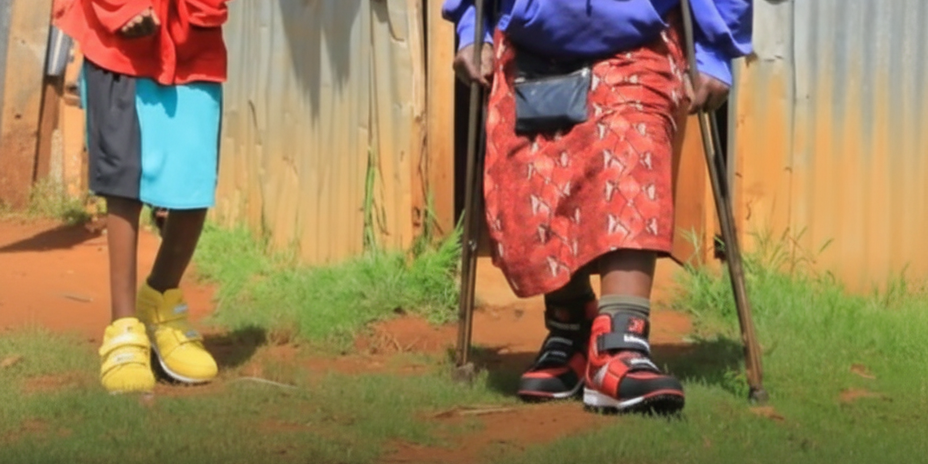
Imagine:
- Mary wearing custom Nike Adaptive AbleHearts shoes
- Lydia rocking Jordan Wings for All high-tops
- Both smiling, confident, stylish
- NOT pity. NOT charity. FASHION.
Tagline: "They didn't need sympathy. They needed shoes that work."
❓ FAQs for Fashion Brands
Q: Why should we partner with AbleHearts specifically?
A: Because we're authentic, transparent, and connected to the real disability community. We're not a big NGO with bureaucracy. We're directly supporting Mary & Lydia and can provide:
- Real-time feedback from disabled users
- Transparent impact reporting
- Genuine storytelling (no corporate sanitization)
- Direct connection to disabled communities in Africa
Q: How much would this partnership cost?
A: Less than one celebrity endorsement deal. We're asking for:
- Product development investment (co-design process)
- Mary & Lydia ambassador fees (fair compensation, not exploitation!)
- Marketing budget (authentic campaigns)
- Charitable donation (portion of sales → AbleHearts)
Total: Comparable to a limited edition collab—but with massive social impact.
Q: What if the shoes don't sell well?
A: The disability market is underserved, not disinterested. If you build it (and market it authentically), they WILL come. Plus:
- Crossover appeal (elderly, injured, convenience-seekers)
- Positive PR (even if sales are modest, brand reputation improves)
- Future-proof (population aging = more disabilities)
Q: Can we just donate shoes instead of creating a line?
A: NO. Donation = pity. Product line = dignity. Disabled people want to BUY stylish shoes like everyone else. We don't want charity shoes; we want equal access to fashion.
Q: How do we ensure authenticity (not "disability-washing")?
A:
- ✅ Hire disabled designers (not just consultants)
- ✅ Feature real disabled models (not actors playing disabled)
- ✅ Co-create with Mary, Lydia, and disability communities
- ✅ Long-term commitment (not a one-off PR stunt)
- ✅ Transparent communication (admit mistakes, iterate based on feedback)
📞 Let's Make This Happen
To Fashion Brand Executives:
If you're reading this and thinking, "This could work..."—reach out.
Contact AbleHearts:
- Email: donations@able-hearts.org
- WhatsApp: +254 107 145 882
- WhatsApp Channel: Join for Updates
Let's schedule a call to discuss:
- Co-design process
- Mary & Lydia ambassador roles
- Product development timeline
- Marketing collaboration
- Impact measurement
To Consumers: Pressure the Brands
Tag them on social media:
🐦 Twitter/X:
- @Nike @Jumpman23 @adidasoriginals @Vans @Converse @PUMA
- Use hashtag: #DisabilityInclusiveShoes #MaryLydiaAmbassadors
📸 Instagram:
- Comment on their posts: "When will you make adaptive shoes for disabled people?"
- Share Mary & Lydia's story, tag the brands
🎥 TikTok:
- Duet/stitch brand videos
- Call them out (respectfully) for lack of disability inclusion
- Show support for Mary & Lydia
Consumer pressure works. Brands listen when customers demand change.
🌍 The Vision: A World Where Disabled People Have Fashion Choices
Imagine a future where:
- ✅ Mary walks into a store, finds beautiful adaptive Nikes in her size
- ✅ Lydia scrolls Instagram, sees disabled models wearing Jordans
- ✅ Wheelchair users rock the latest Air Force 1s
- ✅ Orthopedic shoes are as stylish as "normal" shoes
- ✅ Disability inclusion is the norm, not the exception
That's the world we're fighting for.
And it starts with one partnership. One brand saying, "Yes, disabled people deserve great shoes too."
🚀 The Call to Action
Fashion brands: This is your chance to lead. Be the first. Be the best. Be remembered as the brand that saw disabled people as customers, not charity cases.
Consumers: Amplify this message. Share this post. Tag the brands. Make noise.
Disabled community: Tell us what you want. What features matter? What brands do you love? What would make you finally feel seen by the fashion industry?
💙 Mary & Lydia Are Ready
They're waiting. Not for pity. Not for handouts. For partnership.
They're ready to be the faces of disability-inclusive fashion. To show the world that disabled women can be stylish, confident, and powerful.
Are you ready, Nike? Jordan? Adidas?
Let's create shoes that change lives.
Contact us: donations@able-hearts.org
This post is not sponsored or endorsed by any fashion brand mentioned. It is a genuine call to action from AbleHearts and the disability community.